



INSURANCE NERDS
BLOG
Irritable Bowel Syndrome (IBS) Awareness Month: Mind-Gut Connection and Triggers
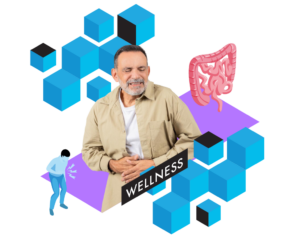
April marks Irritable Bowel Syndrome (IBS) Awareness Month, a time to educate, support, and raise awareness for those living with this condition. One of the most fascinating —and often overlooked— aspects of IBS is the mind–gut connection, a powerful relationship that significantly influences symptoms.
The Mind-Gut Connection
The gut and the brain are connected through a communication network involving the nervous system, the immune system, and the gut microbiome (the microscopic organisms that live in the intestines). When we experience stress, anxiety, or intense emotions, this communication can become disrupted, leading to changes in intestinal movement, sensitivity, and digestion.
In other words, what you feel affects your gut, and what happens in your gut affects how you feel.

Common Triggers
Although every person is different, there are common triggers that can worsen IBS symptoms:
1. Stress and anxiety
Stress activates physiological responses that can increase gut sensitivity and disrupt digestion. It heightens nerve signaling that increases visceral sensitivity, making normal sensations feel painful.
2. Specific foods
• Dairy
• Gluten
• High‑FODMAP foods (fermentable short‑chain carbohydrates that are difficult to absorb)
• Caffeine
• Alcohol
• Highly processed or fatty foods
3. Hormonal changes
Many people report more intense symptoms during certain phases of the menstrual cycle. Estrogen and progesterone levels drop sharply right before and during menstruation, and some studies show that IBS symptoms worsen when these hormones are low.
The gut has receptors for these hormones, so hormonal fluctuations can influence:
• Changes in intestinal movement (diarrhea or constipation)
• Pain sensitivity
• Local inflammation
4. Sleep disturbances
Poor or insufficient sleep can increase inflammation and digestive sensitivity.
5. Gut microbiome imbalance
An altered microbiome can influence inflammation, intestinal motility, and communication with the brain.

Strategies to Manage Triggers
• Practice relaxation techniques: they reduce physiological stress, modulate the gut–brain axis, and decrease visceral hypersensitivity, which translates into less pain, less urgency, and better control of flare ups.
• Keep a digestive journal: there is no universal list of foods that affect everyone equally. However, tracking what you eat and your symptoms helps identify foods that cause diarrhea, gas, or constipation. It also helps determine whether the issue is the food itself, the amount, or the combination, and reveals patterns such as “I feel worse when I eat late” or “when I eat too quickly.”
• Prioritize restorative sleep: research shows that a poor night’s sleep can increase gut hypersensitivity, leading to more pain and urgency the next day.
• Maintain a balanced eating routine: it stabilizes intestinal movement, prevents symptom spikes after meals, and reduces digestive sensitivity. Eating at regular times, avoiding skipped meals, and choosing appropriate foods can reduce diarrhea, constipation, gas, and inflammation.

A Journey of Self Awareness and Well Being
IBS is not just a digestive condition; it is an experience that involves the body, mind, and emotions. Recognizing this connection invites us to view our health through a broader and more compassionate lens. This awareness month is an opportunity to listen to the body, identify patterns, understand our triggers, and, above all, cultivate habits that bring us closer to a more balanced life.
Every small step—a deep breath, a mindful meal, a moment of rest—helps strengthen the internal dialogue that so deeply influences our well being.
Let this month be a reminder that your well being matters, that your body deserves care, and that there are tools available to improve your quality of life. The mind–gut connection is powerful, and acknowledging it can transform the way we experience each day.
About Fulcro
Founded in 1981, Fulcro Insurance is a Hispanic-owned brokerage firm with offices in Puerto Rico, Florida, Georgia, and the Dominican Republic. Our industry-specific specialists provide our clients with the capabilities required to design and place cost-effective insurance, surety, and employee benefits solutions that protect you and your business against the unexpected.
Sources:
Cleveland Clinic, Medlineplus, PubMed