



INSURANCE NERDS
BLOG
September is Cholesterol Awareness Month: Understanding and Protecting Your Heart Health

September is Cholesterol Awareness Month, an ideal time to learn about cholesterol, why it’s important, and how to keep your numbers in a healthy range. High cholesterol is a common but silent risk factor for heart disease—the leading cause of death for men and women in the United States. Knowing your cholesterol level and taking proactive steps can help you safeguard your heart for years to come.
What Is Cholesterol?
Cholesterol is a waxy, fat-like substance found in every cell and is vital for producing hormones, vitamin D, and substances that help digest food. However, not all cholesterol is created equal:
- LDL (Low-Density Lipoprotein): “Bad” cholesterol that can build up in artery walls, leading to atherosclerosis, restricted blood flow, and increased risk of heart attack or stroke.
- HDL (High-Density Lipoprotein): “Good” cholesterol that helps remove LDL from the bloodstream and carries it to the liver for removal.
Risks of High Cholesterol
High LDL cholesterol can silently contribute to heart disease and stroke. Genetics, age, and certain conditions (like diabetes and obesity) increase risk, but unhealthy lifestyle choices—including poor diet, lack of physical activity, smoking, and excess alcohol—are the most common contributors.
Monitoring and Screening
Because high cholesterol often has no symptoms, checking your cholesterol through a simple blood test is important. Adults 20 years and older should have their cholesterol checked every 4–6 years—or more frequently if advised by a healthcare professional or if you have additional risk factors.
Steps to Lower and Manage Cholesterol
- Eat a heart-healthy diet: Focus on fruits, vegetables, whole grains, beans, healthy fats (nuts, seeds, olive oil, fatty fish). Limit saturated fat found in foods like butter, cheese, fatty meats, and fried items.
- Be physically active: Aim for at least 30 minutes of moderate exercise most days. Activities like walking, biking, and dancing help lower LDL and raise HDL cholesterol.
- Maintain a healthy weight: Losing even a small amount of weight can improve your cholesterol levels.
- Quit smoking: Smoking lowers HDL and increases LDL cholesterol.
- Take medication if needed: If lifestyle changes are not enough, your doctor may prescribe cholesterol-lowering medicines.
Beyond the Basics: What Everyone Should Know About Cholesterol
Cholesterol Myths vs. Realities
- Myth: All cholesterol is bad.
- Reality: Your body needs cholesterol for hormone production, cell building, and vitamin D synthesis. HDL (“good” cholesterol) helps clear LDL from your bloodstream and lowers heart risk.
- Myth: Only people who are overweight or older get high cholesterol.
- Reality: High cholesterol can affect anyone, regardless of age or weight. Genetics can play a major role—even in healthy or young people.
- Myth: You’ll feel symptoms if your cholesterol is high.
Reality: High cholesterol has no warning signs. Most people learn about it after a routine blood test or when a serious event—like a heart attack—occurs.
- Myth: Eggs and dietary cholesterol dramatically impact your numbers.
- Reality: For most people, saturated and trans fats have a stronger impact than moderate dietary cholesterol.
- Myth: Cholesterol is mainly a male problem.
- Reality: Both men and women are affected, and heart disease is the leading cause of death for women.
- Myth: Cholesterol tests only matter if you have risk factors.
- Reality: Everyone should get tested. Genetic cholesterol such as Lp(a) can be elevated without apparent risk factors, increasing early heart attack and stroke risk.
The Lipid Panel: What Your Numbers Mean
Your healthcare provider measures cholesterol through a blood test called a lipid panel. It includes:
- Total Cholesterol: Ideal is below 200 mg/dL.
- LDL Cholesterol (Bad): Should generally be under 100 mg/dL; lower targets apply if you have heart disease.
- HDL Cholesterol (Good): Higher is better; 60 mg/dL or above offers protection.
- Triglycerides: Should be under 150 mg/dL; higher levels increase risk.
- Lp(a) (Lipoprotein a): A genetic LDL variant; levels above 50 mg/dL raise risk significantly.
Interpretation Example
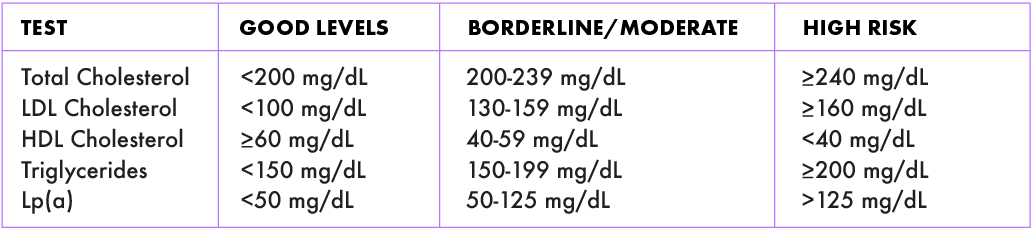
Your healthcare provider will interpret these numbers based on your age, sex, personal and family history, and may use risk calculators to decide if medication or further assessment is needed. Discussing your results in detail helps clarify your true risk and next steps.
Little-Known Facts About Cholesterol
- Genetics Play a Major Role: Familial hypercholesterolemia affects up to 1 in 200 people, causing extremely high cholesterol from a young age. Lp(a) is another inherited cholesterol that increases heart risk but is less commonly tested.
- Cholesterol is a Silent Threat: You usually cannot feel when your cholesterol is too high, which is why regular screening is so important.
- Diet Helps but Has Limits: While lowering saturated and trans fats improves cholesterol, genetic factors may require medications even with a perfect diet.
- Women Are Also at Risk: Heart disease is a leading cause of death in women, and high cholesterol is a major contributor.
- Non-Fasting Tests Are Often Accurate: Many labs now recommend non-fasting lipid panels, making screening easier without the need for extended fasting.
Taking Action for Heart Health
- Schedule regular cholesterol testing, even if you feel healthy.
- Discuss full lipid panels with your provider, including Lp(a) if you have a family history of early heart disease.
- Adopt heart-healthy habits: balanced diet, regular exercise, and no smoking.
- Follow your doctor’s advice on medications and lifestyle adjustments.
Cholesterol management is critical for everyone. Small changes make a big difference in protecting your heart and extending your life.
Take action this Cholesterol Awareness Month: schedule your screening and commit to heart-healthy habits today.
Want more tips and resources? Read our blog for more content on protecting your heart and overall health.
About Fulcro
Founded in 1981, Fulcro Insurance is a Hispanic-owned brokerage firm with offices in Puerto Rico, Florida, Georgia, and the Dominican Republic. Our industry-specific specialists provide our clients with the capabilities required to design and place cost-effective insurance, surety, and employee benefits solutions that protect you and your business against the unexpected.
Sources:
Centers for Disease Control and Prevention (CDC), American Heart Association (AHA), Cleveland Clinic, National Heart, Lung, and Blood Institute (NHLBI)